
 Deutsch
  Русский
  Slovenščina

We would love to hear from you! If you have any feedback about our website or products, feel free to reach out to us at info@yusewood.com
Yacht TEAK Decks: The Ultimate Standard in Luxury and Durability
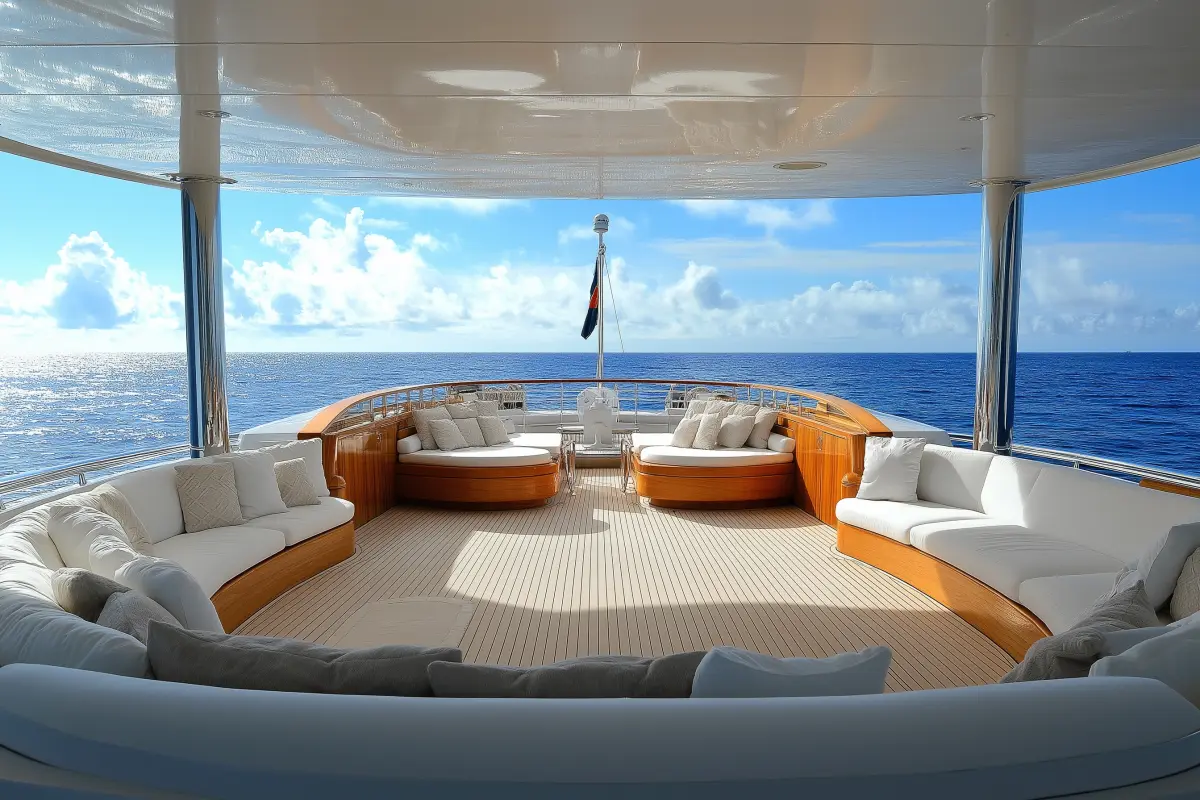
Yacht Teak decks stand as the “gold standard” in luxury yachting. These premium surfaces cost up to three times more than other high-end hardwoods like mahogany. Their prestigious status comes from exceptional qualities that shine especially when you have Grade A teak. The uniform color and natural oil content make it perfect for marine applications.
A well-maintained teak boat deck serves yacht owners reliably for 20-30 years before needing replacement. The wood’s natural resistance to harsh marine elements and its attractive grain patterns make it the top choice for high-end vessels and charter boats. This piece explores teak’s dominance in the luxury yacht industry and shows owners how to maximize their investment in these premium decking solutions.
The Timeless Appeal of Yacht Teak decks
Yacht Teak decks stands as the premier choice for marine applications through centuries because of its exceptional qualities that few other materials can match. Luxury vessels continue to feature teak decks thanks to their perfect blend of practical benefits and esthetic appeal.
Natural beauty that ages gracefully
Teak’s rich, warm golden hue creates an instant impression of elegance and craftsmanship. Most woods deteriorate with age, but teak develops a distinguished silver-gray patina in clean air when left untreated. This natural aging adds character while the wood’s structural integrity remains intact. The natural weathering process adds to teak’s unique charm.
The wood’s distinctive grain pattern delivers both visual interest and practical benefits. Its natural texture provides excellent slip resistance even in wet conditions, which makes it safer than many alternatives. These combined qualities of beauty and practicality explain why teak remains highly sought after, even as synthetic alternatives emerge.
Unmatched durability in marine environments
Teak’s remarkable resilience comes from its unique biological makeup. High natural oil and silica content create a protective barrier against moisture, which helps the wood withstand harsh sea conditions without rotting or cracking. The wood shows no signs of deterioration even after long exposure to saltwater.
Teak shows impressive dimensional stability despite changing humidity levels. Unlike other woods, it resists warping, shrinking, or bending. A properly maintained teak deck lasts 15-20 years under normal conditions. This makes it more of a long-term investment than just a luxury purchase.
Yacht Teak decks – The status symbol of luxury yachting
Classic yacht design has become synonymous with teak’s distinct, unbroken golden hues. This connection to premium craftsmanship dates back to teak’s early use in shipbuilding. Modern materials like composites and aluminum have emerged, yet teak remains the top choice for luxury vessels.
Premium old-growth teak from Myanmar now costs about €30,000 (£26,000) per cubic meter. This price reflects its status as a prestige material. The feeling of real wood underfoot creates a sensory experience that synthetic materials cannot match. Yacht owners understand that despite higher upfront costs, teak delivers lasting value. Its blend of durability, safety features, and classic elegance improves both the experience and resale potential of their vessels.
Why Modern Yacht Designers Still Choose Teak
Modern yacht designers still choose teak decking over synthetic materials, and with good reason too. Teak’s practical benefits go beyond tradition. Its features solve specific challenges in maritime settings, making it both an engineering and esthetic choice.
Superior non-slip properties even when wet
Safety is the top priority on any vessel, especially in rough conditions. Teak wood has natural oils and rubber-like elements that create a non-slip surface – a vital feature to keep stability in wet and rolling conditions. This natural grip stays effective even in bad weather or rough waters.
The wood’s surface gets slightly rougher as it ages, which gives even better traction. Teak’s texture works much better than ceramic tiles that become dangerous to walk on when wet. The high silica content in teak also creates a subtle roughness that helps people keep their footing in wet conditions.
Natural temperature regulation in extreme conditions
Teak’s thermal performance is one of its best yet least talked about features. Unlike synthetic materials that can get too hot to walk on, teak doesn’t absorb much heat from the sun. This natural insulation helps reduce the strain on a yacht’s climate-control systems, which leads to lower energy use in extreme temperatures.
The deck stays at a comfortable temperature even in direct sunlight. People can walk barefoot on it even in tropical weather. Many yacht owners say real teak cools down faster than synthetic options that claim similar benefits.
Compatibility with advanced yacht technologies
Modern teak decking systems combine smoothly with state-of-the-art yacht technologies. Current installation methods work well with:
- Incorporation with sophisticated LED lighting systems
- Compatibility with entertainment system components
- Integration with smart yacht monitoring technologies
The wood naturally insulates and protects electronics and systems underneath. While teak is traditional, modern installation techniques help it work well with today’s yacht innovations.
Alternatives keep appearing, but teak’s unique mix of natural properties tackles multiple engineering challenges at once. Not many materials can do this. Teak’s ability to deliver safety, comfort, and tech integration explains why smart yacht designers pick it for premium vessels.
The Evolution of Teak Decking Installation
Teak deck installation techniques have changed dramatically since the mid-20th century. These changes reflect new technology and what the market needs. Back then, skilled craftsmen had to install each plank one by one. This meticulous process demanded exceptional skill and patience.
Traditional vs. contemporary installation methods
Yacht Teak decks in the 1960s used thick planks—often 1¼ inches—screwed directly onto wooden beams. The industry later moved to thinner overlays (typically ⅜ to ½ inch) installed over plywood or fiberglass subdecks. The 1990s brought a decisive change toward glued-down installation methods with minimal fasteners. This new approach eliminated hundreds of screw holes and reduced water intrusion points by a lot.
Premium installations now use digital scanning for precise measurements. Each plank undergoes careful hand inspection for grain orientation and structural integrity. Manufacturers bond teak to fiberglass or phenolic backing with specialized epoxies. This creates prefabricated panels that fit perfectly.
Innovative joinery techniques for modern yachts
New fabrication systems have revolutionized curved teak deck creation. Sailing yacht installations present more challenges than motor yachts. Manufacturers now use adjustable jigs under vacuum pressure to hold curved battens in shape. Their vacuum-bagging process with special epoxies creates panels so tight they stay watertight even without caulking.
“Green teak” offers another innovative solution that cuts down on waste. This method uses tree parts that mills once rejected for decking. The process involves slicing timber into thin veneers, stacking and laminating them. Mills then turn these sideways to create boards that look like vertical grain teak.
Integration with yacht lighting and entertainment systems
Modern teak decking combines naturally with advanced yacht technologies. New installation methods work well with sophisticated LED lighting systems throughout the deck surface. Entertainment system components and smart yacht monitoring technologies blend smoothly into the design [rewritten based on factual data].
These improvements have turned teak decking from a basic functional element into a high-tech, customizable luxury feature. It now works perfectly with modern yacht innovations.
Maintaining Teak Wood for Decks in the Digital Age
Modern technology has changed yacht teak decking maintenance from basic woodworking into a science. Yacht owners now have access to new maintenance routines, products, and specialized services that expand their options.
Smart maintenance scheduling systems
Teak decks need consistent care rather than occasional attention. Smart digital tracking systems help yacht owners keep their decks in top condition. These tools remind owners when to clean and inspect their decks, which helps avoid getting pricey repairs later. A good teak deck maintenance plan includes yearly cleaning and regular checks to spot problems early.
A solid maintenance schedule protects the deck’s looks and the yacht’s value. Yes, it is true that following a good maintenance plan can make teak decks last 15-20 years. Digital tools are valuable to busy yacht owners who need to track these routines.
Advanced cleaning and preservation products
The digital world of teak maintenance products has grown, and eco-friendly options now lead the market. ECO-300 Teak Cleaner Liquid shows this change with its 100% environmentally-friendly formula that contains no acid, caustic sodas, or phosphates. ECO-100 Teak Cleaner Powder cleans powerfully without damaging soft teak fibers.
Quality sealers have mostly taken the place of traditional oils for preservation. These sealers protect against UV damage and keep color better than oils, with less upkeep needed. The right way to apply sealer starts with cleaning the deck and letting it dry completely. Using a cloth works better than brushes for application.
Professional vs. DIY maintenance approaches
Yacht owners must choose between hiring professionals or doing maintenance themselves:
Professional Services:
- Expert work ensures quality and handles unexpected problems
- Work takes about a week
- Prices run from $2,500 to $7,000 based on deck size
- Services usually come with warranties and lasting quality
DIY Approach:
- Costs much less upfront ($500–$1,500 per square meter for materials)
- Takes more time, usually several weekends
- Results depend on personal skill
- Mistakes could get pricey to fix later
Simple cleaning tasks work well as DIY projects with today’s user-friendly products. Complex repairs or complete refinishing jobs need professional expertise to last longer.
Conclusion
Luxury yacht builders prefer teak decks over synthetic alternatives because they combine classic elegance with practical benefits. Teak naturally resists marine elements, provides excellent grip, and ages beautifully. This makes it worth the premium cost. Modern installation techniques have improved teak’s compatibility with new yacht technologies and managed to keep its classic appeal.
Yacht owners can now protect their investment better with smart maintenance systems that schedule care routines and use specialized products. The original costs are high, but well-maintained teak decks can last up to three decades. These decks remain the top choice in luxury yacht design because of their natural beauty, safety features, and impressive durability.
Teak decking is more than a traditional choice – it’s a proven solution that meets both practical needs and style requirements of modern yachting. As yacht designs continue to evolve, teak’s flexibility and lasting qualities make it the gold standard. Owners who value luxury and longevity recognize why this material stays ahead of other options.